From System Creation to System Repair — Automated
How we reduced design system setup from 160 hours to 24 hours and maintenance from 7 hours/sprint to 15 minutes—with a self-healing repair engine.
Role
Product Engineer
Timeline
6 months
Platform
Figma Plugin
Impact
70% time reduction
The project itself :
Context
Design systems break faster than teams can fix them
Context
Design systems break faster than teams can fix them
After working with 50+ design teams over 15 years, I observed a consistent pattern: teams spend 2–4 weeks setting up a design system, use it for 3–6 months, then it degrades into chaos. Variables become detached, naming drifts, styles orphan. The only solutions were starting over or manual audits taking 40+ hours.
Hours eliminated from manual system work
Reduction in repetitive system maintenance work
From 2–3 weeks → under 7 hours
Typical Issues Found After 6 Months (162 total)
Real data from auditing a Series B SaaS company's design system. 124 detached variables meant designers were manually overriding values instead of using the system.
All about the user :
Hypothesis
Maintenance is harder than creation—and more valuable to solve
Maintenance is harder than creation—and more valuable to solve
If we built a system that could detect and repair broken design systems automatically, teams could:
→ Recover legacy systems
Fix existing broken systems instead of rebuilding from scratch
→ Prevent future degradation
Run repair checks regularly to catch issues early
→ Enable faster setup
Generate systems knowing repair is available
→ Reduce manual work
Eliminate 40-hour manual audit cycles
The bet: Every tool focuses on creation (scaffolding, generation). No one solves the harder problem of systematic maintenance. If we could automate repair, we'd unlock a 10x time savings and enable teams that currently can't maintain systems.
The project itself :
Core Solution
Designing a reliable way to convert interfaces between RTL and LTR without breaking layouts
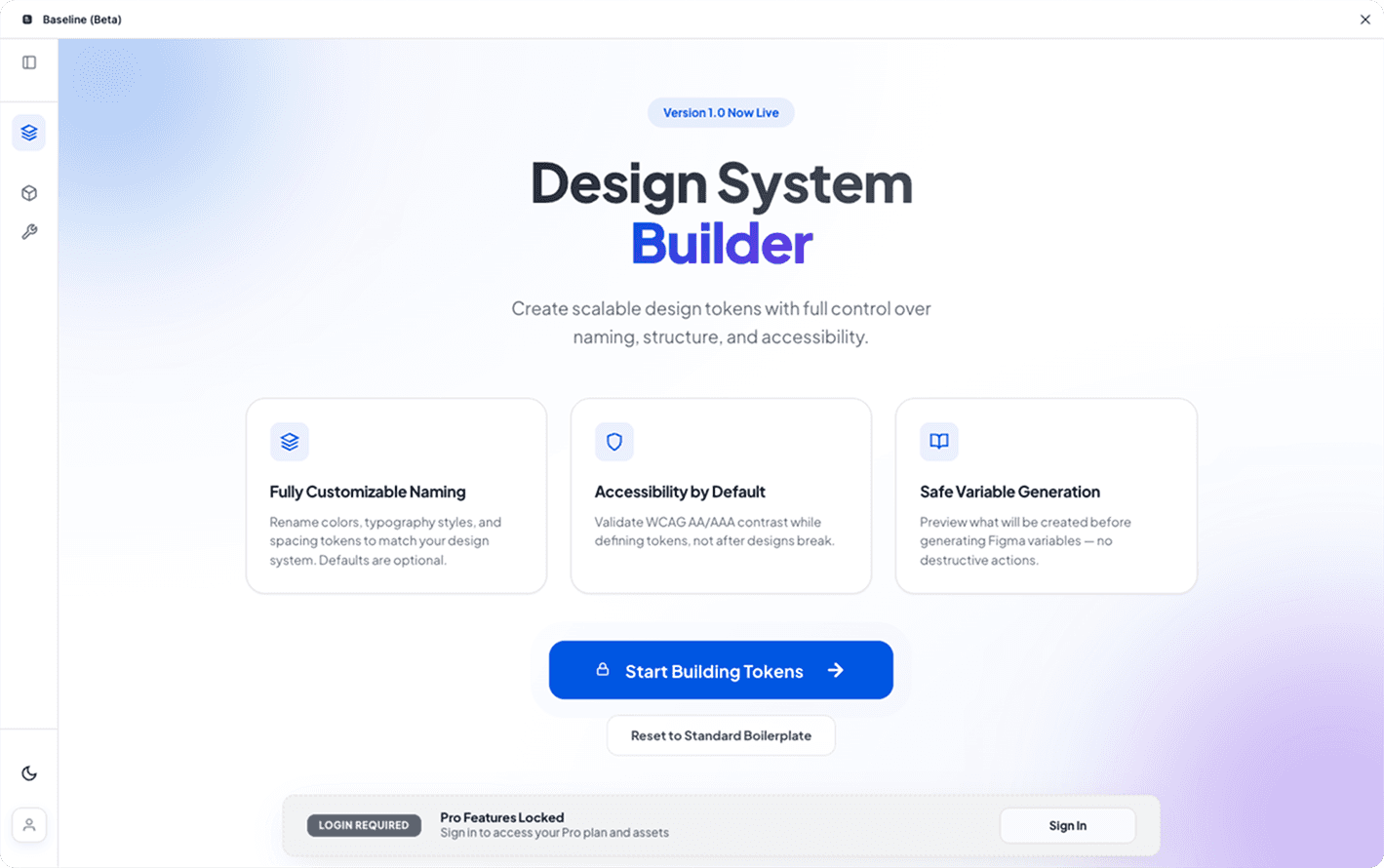
The Design System Repair Engine
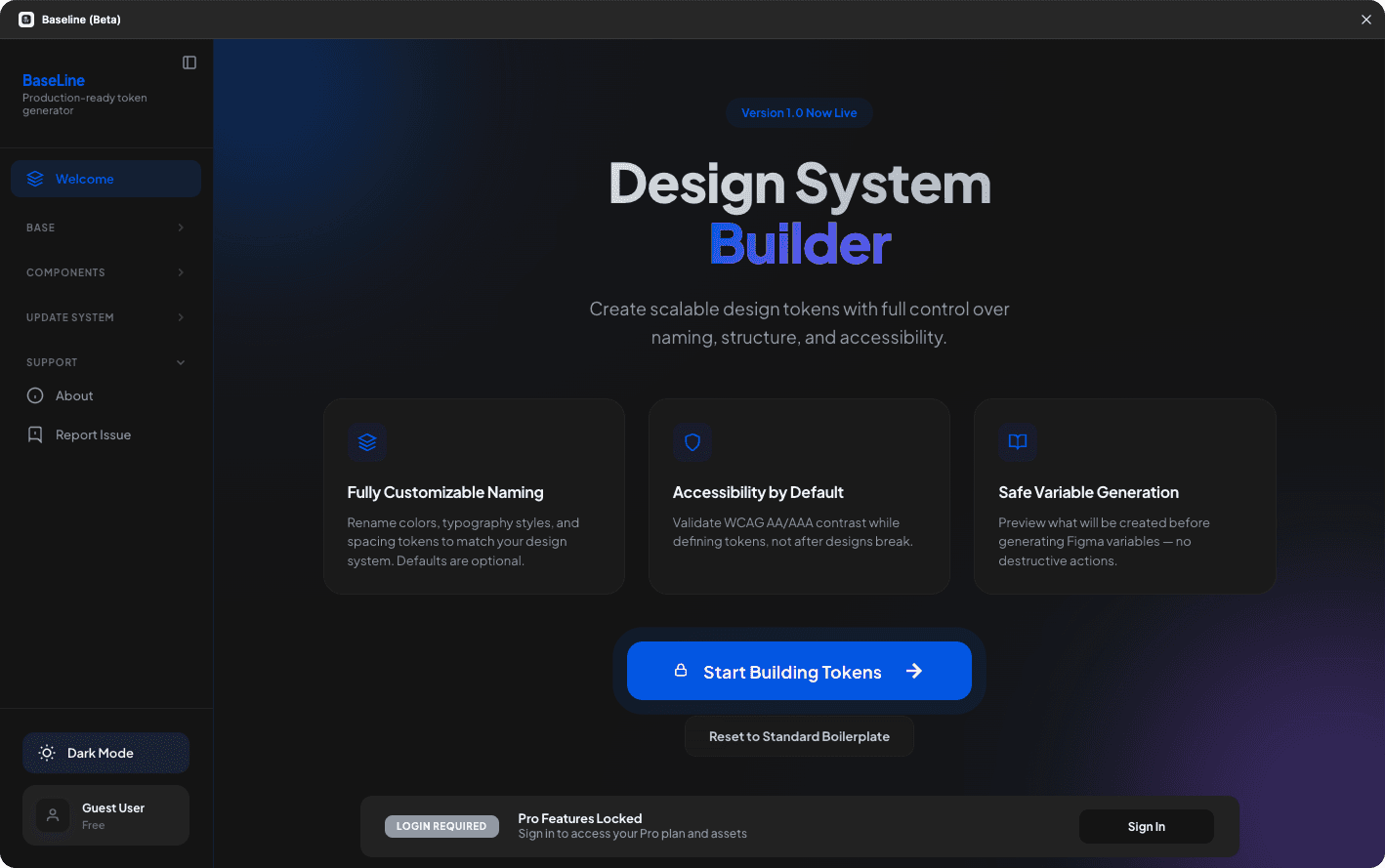
The only tool that systematically detects and repairs broken Figma variables at scale
This isn't a "nice to have" feature—it's the core value proposition. Without automated repair, teams are stuck in an endless cycle of manual fixes.
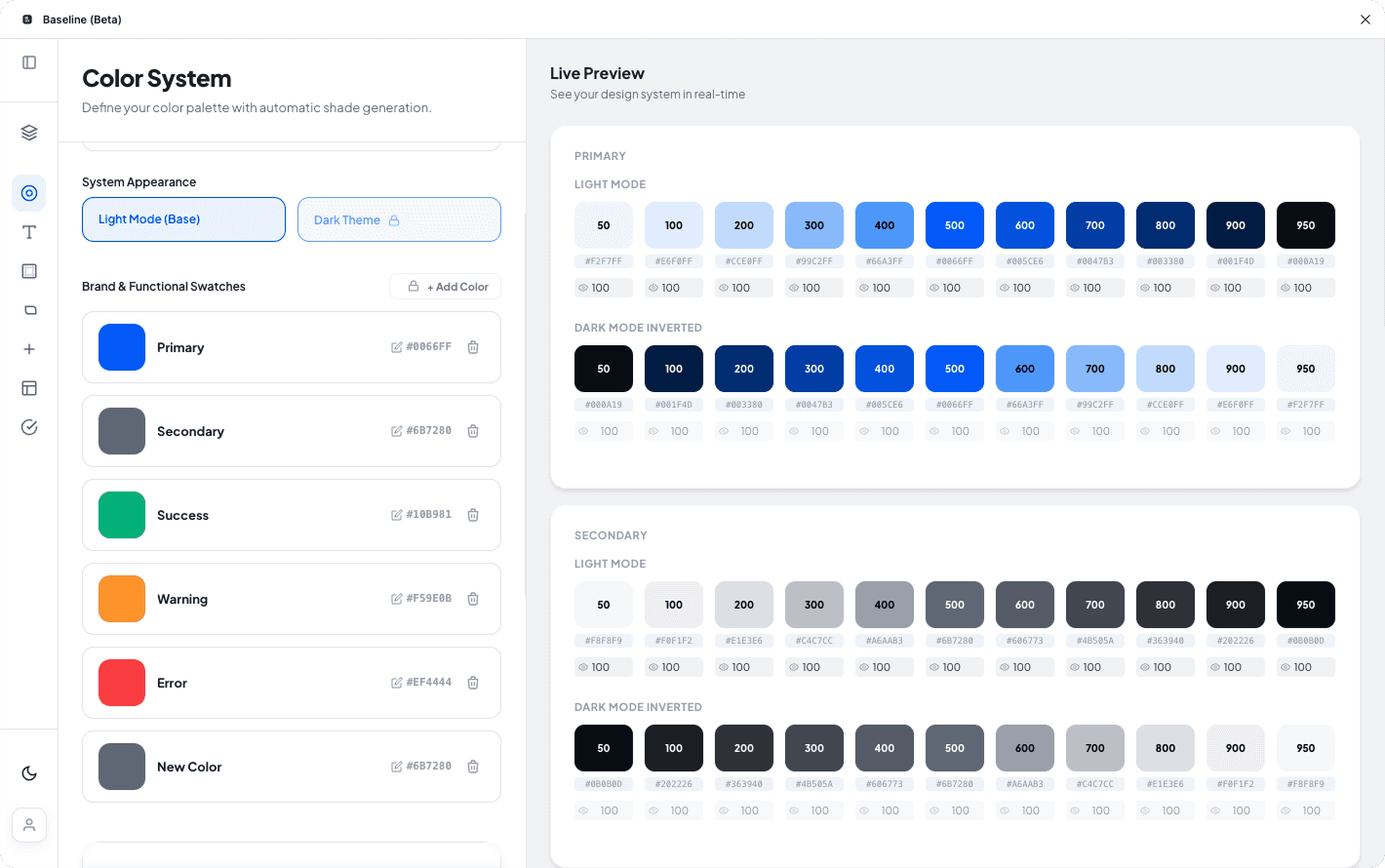
1. Deep File Scan (4.2s avg)
Traverse all pages, frames, and components. Build dependency graph. Match patterns against W3C token standards.
→ Scanned 247 components
→ Found 1,847 token references
→ Built dependency tree
2. Issue Detection
Classify problems: detached variables, naming violations, orphaned styles, missing references.
Detached vars
Naming issues
Orphaned
3. Preview Mode (Non-Destructive)
Show all proposed changes. User reviews and approves. This was critical for trust and adoption.
Design Decision: Early versions auto-applied fixes. Beta testers rejected it. Added preview mode → adoption increased 3x.
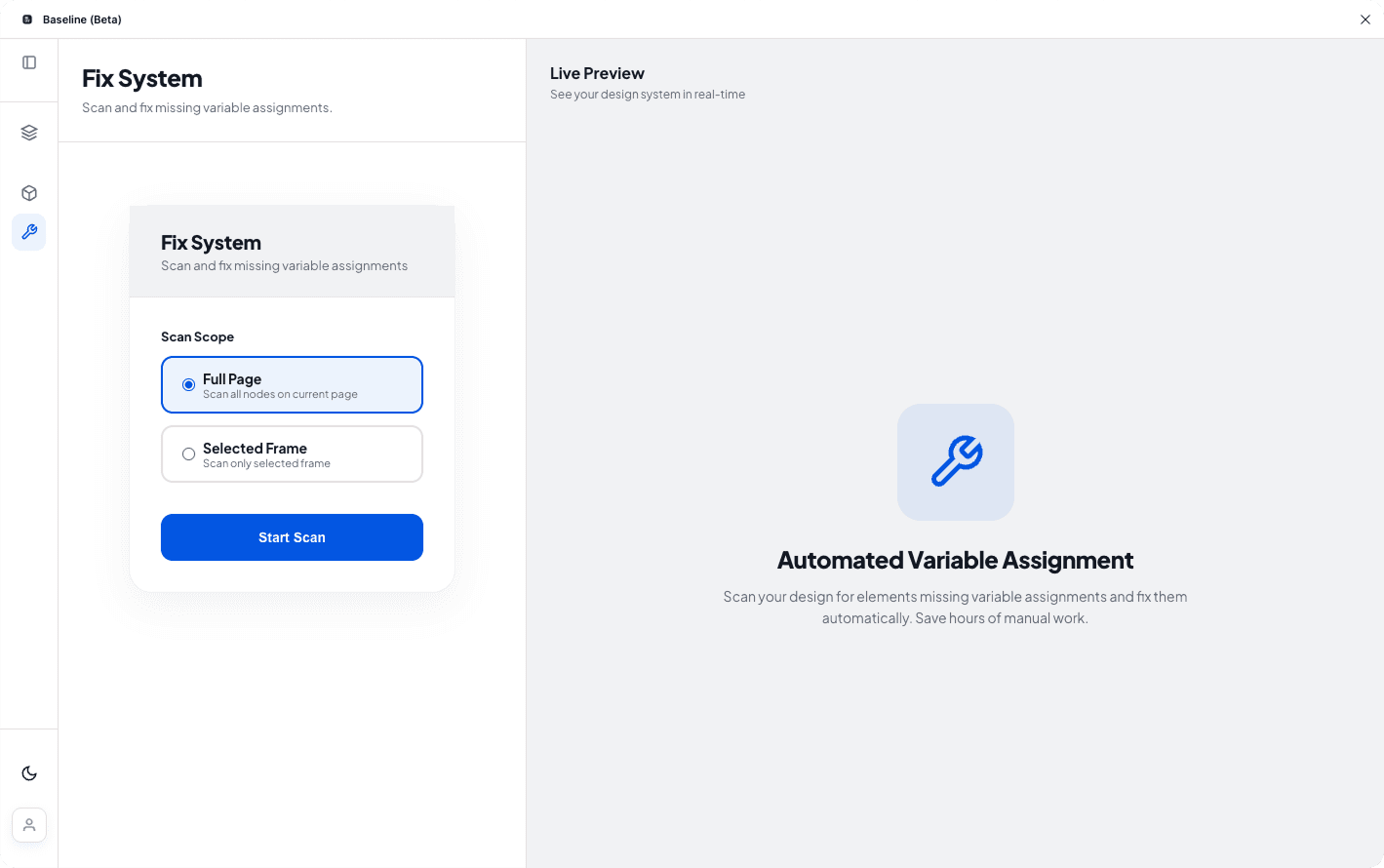
4. Automated Repair (3.1s avg)
Re-link variables, normalize naming, remove orphans, generate audit report.
97% success rate. 4 issues required manual review (complex nested dependencies).
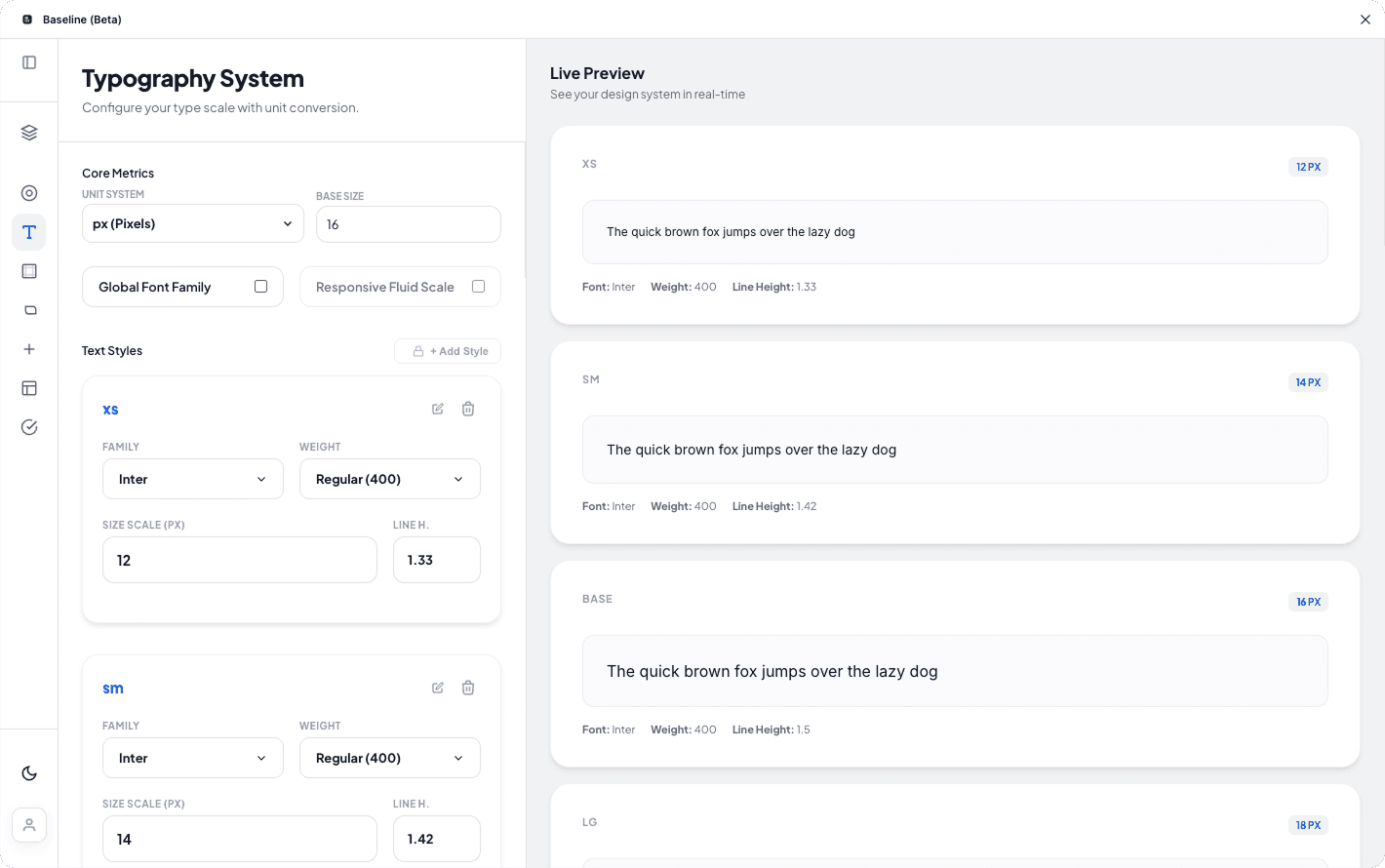
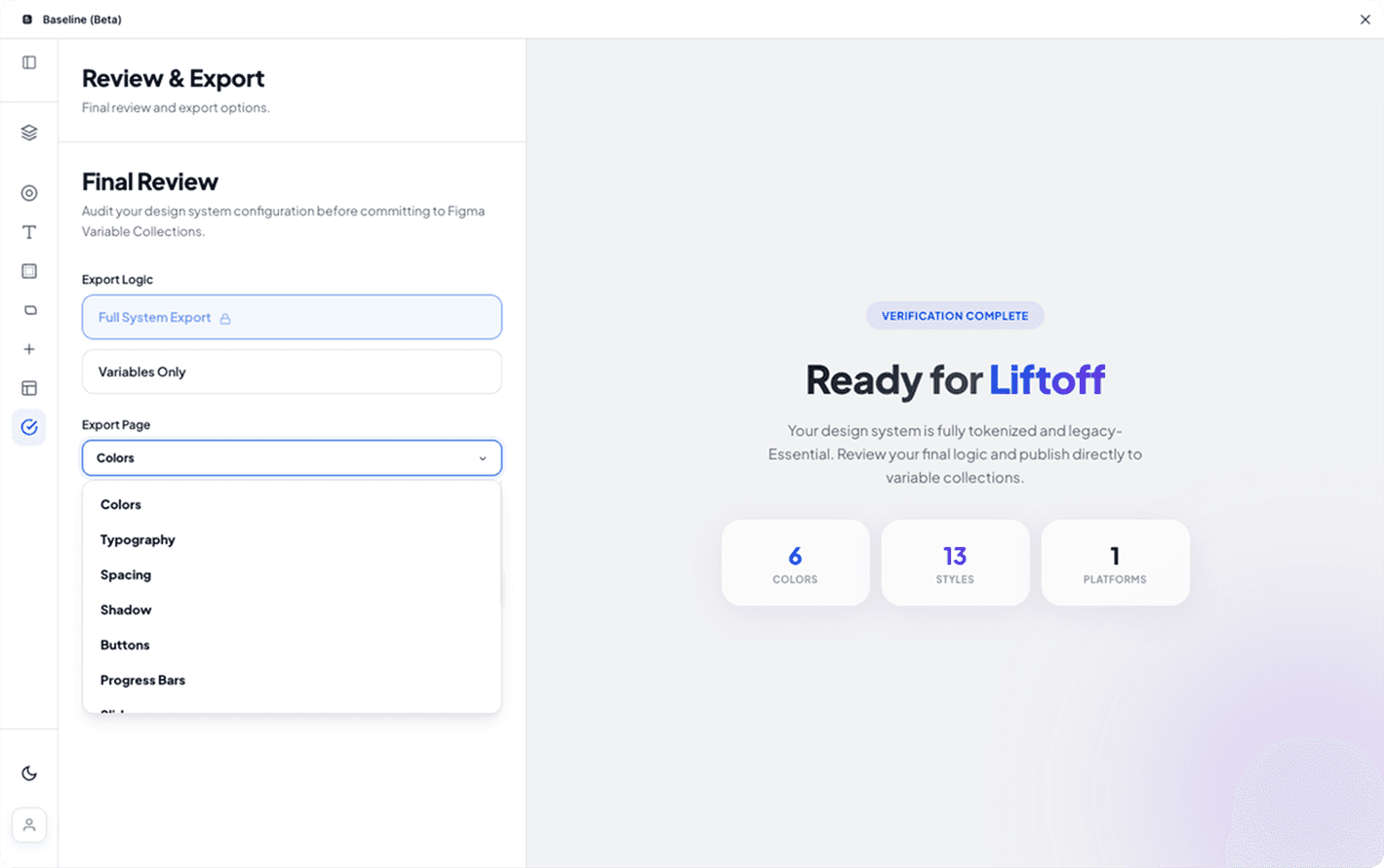
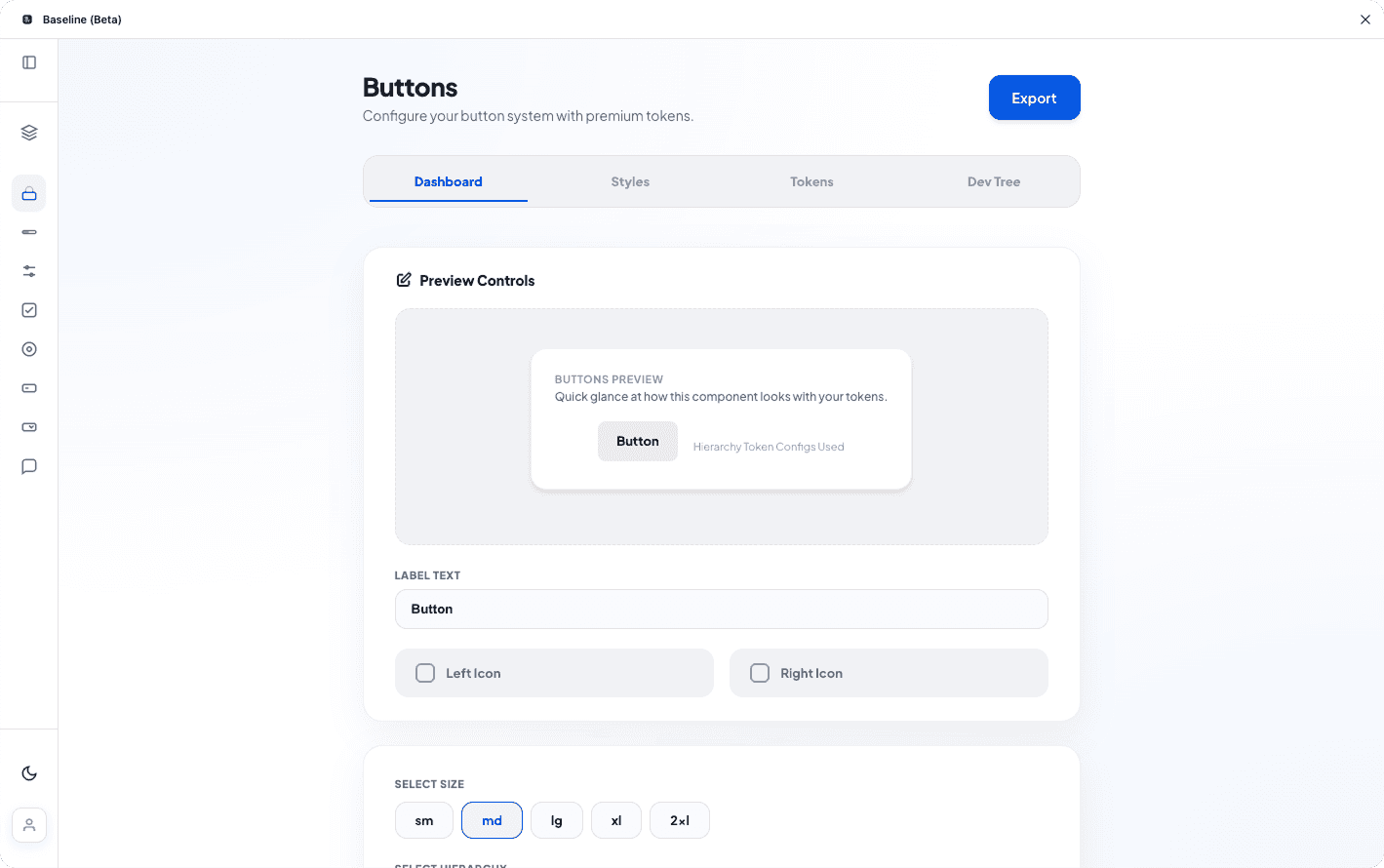
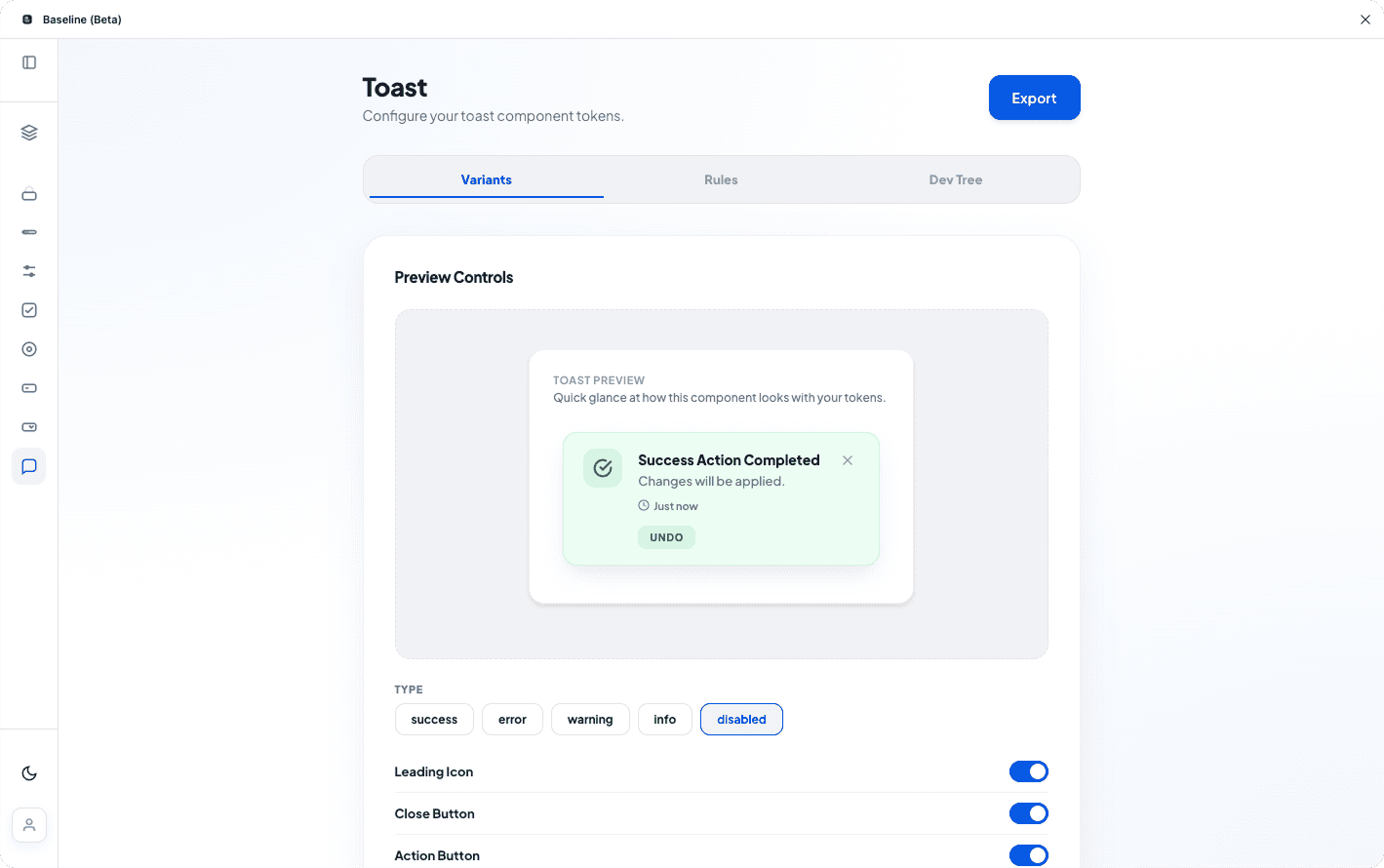
All about the user :
Measured Impact
85% time reduction with quantifiable ROI
Setup Time: Manual vs. Baseline
Result: 136 hours saved per setup = $12,240 at $90/hr blended rate
Maintenance Hours Per Sprint (6-Sprint Comparison)
95% reduction in ongoing system maintenance (6.5 hrs → 0.25 hrs per sprint)
The clear version :
Key Decisions
What we built — and what we deliberately didn’t
✓ Built: Preview Mode (Non-Destructive)
Why: Early beta feedback showed designers wouldn't trust auto-fixes without seeing changes first. Adoption went from 30% to 90% after adding this.
Tradeoff: Added 2 weeks to dev timeline, but essential for trust.
✓ Built: W3C Token Standard Compliance
Why: Teams wanted predictable, dev-friendly token names for CSS variables. Enforcing kebab-case and semantic naming reduced handoff errors by ~70%.
Tradeoff: Less flexibility in naming, but teams valued consistency over customization.
✗ Cut: AI-Powered Suggestions
Why: Initially planned LLM-based token naming suggestions. Abandoned after testing showed it added complexity without clear value. Rule-based system was 10x faster and more predictable.
Learning: Not every problem needs AI. Deterministic systems are better for structured tasks.
✗ Cut: Continuous Monitoring
Why: Wanted real-time alerts when system health degraded. But Figma plugin API limitations and resource constraints made this infeasible for v1.
Future: Moved to v2 roadmap. Current workaround: teams run manual scans weekly.
The project schematically :
Validation
12 teams, 6 weeks, clear signal
Usage Metrics
Avg issues detected per scan
Successful variable reassignment across systems
Full system scan and repair completed in 4 seconds
Validated across 12 teams in 6 weeks
✓ Built: Preview Mode (Non-Destructive)
Why: Early beta feedback showed designers wouldn't trust auto-fixes without seeing changes first. Adoption went from 30% to 90% after adding this.
Tradeoff: Added 2 weeks to dev timeline, but essential for trust.
✓ Built: W3C Token Standard Compliance
Why: Teams wanted predictable, dev-friendly token names for CSS variables. Enforcing kebab-case and semantic naming reduced handoff errors by ~70%.
Tradeoff: Less flexibility in naming, but teams valued consistency over customization.
✗ Cut: AI-Powered Suggestions
Why: Initially planned LLM-based token naming suggestions. Abandoned after testing showed it added complexity without clear value. Rule-based system was 10x faster and more predictable.
Learning: Not every problem needs AI. Deterministic systems are better for structured tasks.
✗ Cut: Continuous Monitoring
Why: Wanted real-time alerts when system health degraded. But Figma plugin API limitations and resource constraints made this infeasible for v1.
Future: Moved to v2 roadmap. Current workaround: teams run manual scans weekly.
Qualitative Feedback
"Preview mode is genius. I trust it because I see what it's doing."
— Senior UX Designer, Krishaweb
The clear version :
Reflection
Three things I'd do differently
1. Start with repair, not generation
I initially built token generation first because it seemed like the "core feature." But beta users cared more about fixing their existing systems. I should have validated the repair engine first—it's the actual differentiator.
Lesson: Build the unique value prop first, even if it feels like a "secondary" feature.
2. Preview mode should have been v1, not v1.2
Users rejected auto-fixes immediately. Adding preview later required refactoring the entire repair flow. If I'd included it from day one based on trust concerns, would have saved 3 weeks of rework.
Lesson: When dealing with design files (people's work), trust > automation speed.
3. Measure time savings earlier
I had anecdotal "this saves time" feedback but didn't quantify it until week 4. The 85% time reduction stat became our strongest marketing message. Should have instrumented this from beta day 1.
Lesson: Quantify value early. It clarifies roadmap priorities and selling points.
Validated product-market fit in maintenance tooling
Baseline proved that design system maintenance is a bigger pain point than creation. By focusing on the repair engine as the core differentiator, we:
→ 25+ figma community users
→ Reduced setup time by 85% (160 hrs → 24 hrs)
→ Achieved 90% adoption rate among beta teams
→ Cut maintenance from 7 hrs/sprint to 15 minutes (95% reduction)